
The budget on 28 October confirmed the introduction of a new zero-rated VAT band for social housing providers. Zero-rating allows for VAT to be recovered by a landowner on their costs, whilst not being paid by the buyer – the rate charged is 0%.
There are limitations to the relief. It is anticipated to come into effect April 2027 and, subject to the wording of the legislation, will benefit registered social housing providers automatically.
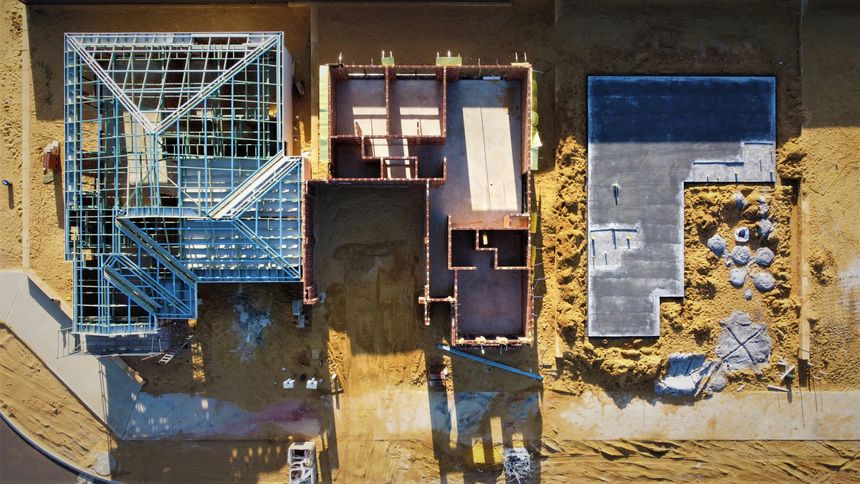
This is an important change as the current zero-rating comes into play at ‘golden brick’ stage, when the development has reached foundation stage and its use as residential crystalises. This can cause developments to be more legally complex, with the developer required to complete works to golden brick stage before the zero-rating comes into play, hold up financing and possibly leading to inefficient SDLT treatment as the land value has increased by virtue of the development. These issues can ultimately drive up the eventual cost of the development and slow down social housing provision.
While we wait to see the draft legislation, the focus of the government to delivering dedicated social housing development is clear, coupled with an announcement of boosted funding to a total of £10 billion over 10 years.
We also look forward to seeing further detail on the proposed reforms to the rules for selling existing government assets, the Crichel Down Rules. Currently the rules require the government to offer land back to former owners where acquired under CPO, leading to a very slow and bureaucratic process for releasing unused land. We hope that the reform of these rules will lead to disused land being brough back into use through development more efficiently for all parties and assist with the social housing targets.
The move to exempt smaller developments on brownfields sites from biodiversity net gain (BNG) requirements does feel like a backwards step, however. While there are costs involved with BNG, developers should be taking every opportunity to support biodiversity, producing not only less harmful developments, but housing that allows its occupiers to enjoy nature at their back doors.