
With sweltering heat becoming more common in the UK due to climate change, employers will need to assess their workplaces and working practices to protect the health, safety and wellbeing of their workforce. While there is no maximum legal working temperature (although watch this space as Hannah Spencer, MP, is set to introduce a Bill to this effect), employers have a duty to provide a safe working environment and to assess risks posed by extreme heat.
Communication, as ever, is key. Employers should remind staff about the importance of staying hydrated, recognising the signs of heat exhaustion, and reporting any concerns. Providing free access to drinking water and encouraging regular water breaks can make a significant difference, particularly for employees undertaking physical work.
Practically, where the nature of the work allows it, employers may also wish to review working arrangements. Flexible start and finish times can help staff avoid travelling and/or working during the hottest part of the day, while moving to hybrid or remote working may be appropriate where roles permit. For outdoor workers, tasks should be scheduled for cooler periods where possible, with additional rest breaks built into the day.
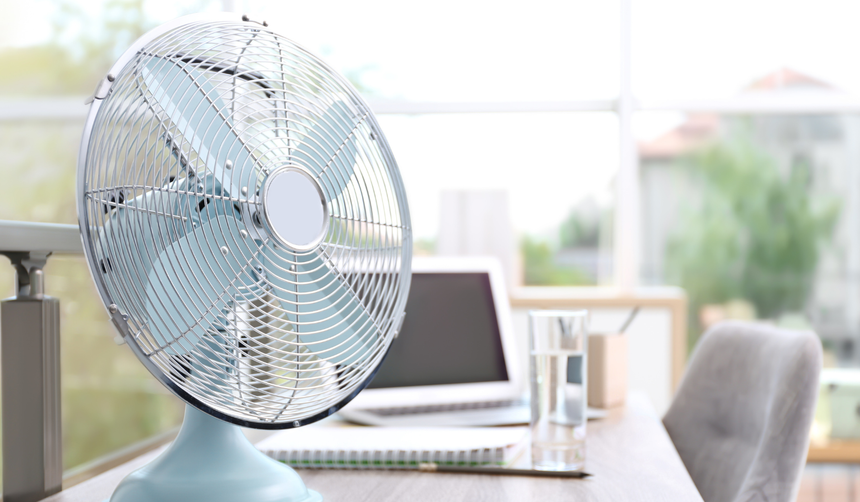
Workplaces should be assessed to identify ways of reducing heat exposure. Simple measures such as using blinds to block direct sunlight, improving ventilation, supplying fans and relaxing dress codes can help staff remain comfortable and productive. Where uniforms or personal protective equipment are required, employers should consider whether adjustments can be made without compromising safety. Employers who fail to consider or implement such measures could see an increase in sickness absence and a negative impact on employee relations, both of which can harm productivity.
Lastly, managers should pay particular attention to vulnerable employees, including pregnant workers, those with certain medical conditions and individuals taking medication that may affect their ability to cope with heat. A failure to accommodate such employees could lead to issues such as grievances and discrimination complaints.
/Passle/MediaLibrary/Images/2026-09-17-14-46-01-548-6aabfd299a101e3c294bd810.jpg)
/Passle/MediaLibrary/Images/2026-08-03-12-19-04-051-6a708738db2df1d627560e1d.jpg)
/Passle/68e62e2fbd3767c8f3cceb50/MediaLibrary/Images/2026-07-10-10-32-15-226-6a50ca2fcd7f5e16e539999e.png)