
I was outside the school playground the other day waiting to pick up my daughter, Luna, and the sound of kids lost in play (the squeals and the whoops) got me thinking. It reminded me of my own playground days, where the real business happened: negotiating for the best swing, trading snacks like seasoned dealmakers, or pitching who’d get to be the dragon in tag. The playground was my first boardroom, where creativity, collaboration, and leadership came to life – all fuelled by imagination. And that spark is exactly what the arts are meant to keep alive.
But today, in Years 7-9, too many kids are disengaged. I see it with my own 13-year-old – some days, he shrinks into himself… until he gets a chance to be creative. He’s no Picasso, but art or drama brings him back to life. Creativity is his oxygen.
That’s why initiatives like Big Education Trust – pushing to rethink assessment and reimagine school – are so crucial. They’re asking bold questions:
What if imagination mattered as much as test scores?
What if assessment measured what kids can do, not just what they can recall?
What if school became a place to explore, not just endure?
When I pick up my four-year-old from nursery, I’m reminded that it’s possible to focus on the whole child – not just the measurable parts. As a lover of acting (I will return to the stage one day!), I believe deeply in oracy – the power of helping kids speak, listen, express, and connect. When children feel heard, they engage. When they can share their ideas, they step forward. And when oracy is paired with the arts, creativity becomes a core part of the school culture, not an add-on.
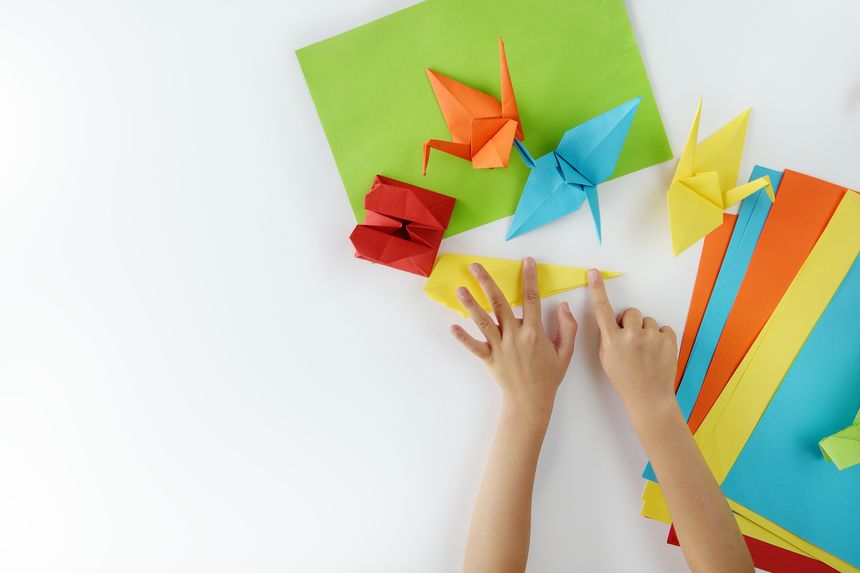
The arts aren’t just about painting or dance. They teach children to think big, collaborate, communicate boldly, and imagine new possibilities. Our workplaces need that energy too. As we shape SK’s new strategy, I see it: the best moments happen when people light up with the space to think, create, and contribute.
As a procurement lawyer, I know the importance of long-term investment. Funding the arts is not a luxury – it’s a strategic investment in our future. Just as the state has fuelled technological innovation, it should also invest in creative innovation. The arts are the breeding ground for new ideas, fresh perspectives, and collaboration that drive economic and social progress.
Mazzucato’s work shows that the government's role isn’t just to fund what’s necessary, but to fund what’s transformative. If we want a generation of creative problem-solvers and innovators, we must treat the arts as the bedrock of progress – not a side project and properly fund it.
Fund the arts. Re-engage our children. Rethink school – because the best ideas still start on the playground.
/Passle/MediaLibrary/Images/2025-11-10-14-45-08-280-6911fa742100bb49e79646b0.jpg)
/Passle/MediaLibrary/Images/2025-11-10-14-51-05-465-6911fbd9a319d5ea6f5baa38.jpg)
/Passle/MediaLibrary/Images/2025-11-10-14-51-05-549-6911fbd9be557da3fa7960b8.jpg)