
The proposal to abolish a defendant's right to elect a jury trial for certain "either-way" offences, i.e. those that can be tried in either the Magistrates' Court or the Crown Court represents one of the most significant changes to the criminal justice system in modern times. While some argue that reform is necessary to tackle the growing Crown Court backlog of cases, many lawyers fear that a fundamental safeguard is being sacrificed for the sake of efficiency.
The backlog of cases in the criminal justice system is scandalous. We often see our own clients waiting for years under police investigation and waiting for years for Court proceedings to conclude. Mental health and anxiety worsens in this time for both complainants, witnesses and defendants, and memories fade. Regulated professionals such as doctors, nurses and lawyers can also see restrictions on their practice during this time, and then are further investigated by their regulator when criminal proceedings conclude.
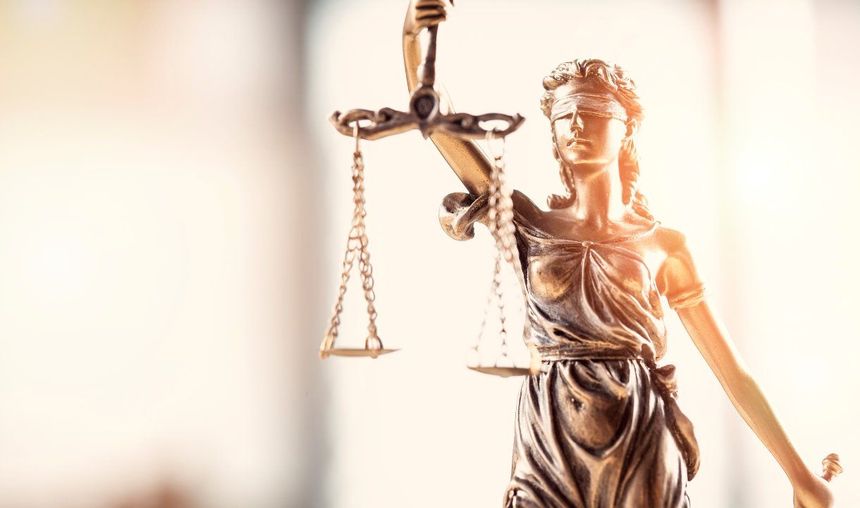
Trial by jury has long been regarded as a cornerstone of English justice. Rooted in centuries of legal tradition dating back to the principles underpinning the Magna Carta, it provides an important check on state power by allowing ordinary citizens, rather than state officials alone, to determine guilt. For generations, the right to be judged by one's peers has been viewed as a key protection against unfair prosecutions and miscarriages of justice.
Recent proposals emerging from the Independent Review of the Criminal Courts: Part 1, led by Sir Brian Leveson, would remove a defendant's ability to choose a Crown Court jury trial for many less serious either-way offences. The aim is to move more cases into Magistrates' courts or judge-only proceedings and thereby reduce delays in the criminal justice system.
In recent years, Andy Burnham has been a vocal supporter of jury trials, describing the right as the "lynchpin of a fair society" and urging caution before any changes are introduced. More recently, however, he has expressed concerns about plans to restrict jury trials, stating that his instinct is to find ways of reducing court delays without reducing access to trial by jury. He has linked these concerns to his experience of the Hillsborough campaign and the importance of public confidence in the justice system.
However, the picture now appears less certain. In September 2026, the new Lord Chancellor, Alex Norris, declined an opportunity to rule out reforms restricting jury trials when questioned in Parliament. While he indicated that the government was reviewing all aspects of justice policy and noted that legislation often changes during its passage through Parliament, he stopped short of guaranteeing that the right to elect a jury trial would be preserved.
The legal profession has reacted with significant concern. The Law Society, Bar Council and Criminal Bar Association have all warned that reducing jury trials risks undermining a central safeguard of the criminal justice system. Many argue that juries are not responsible for the current backlog, which stems largely from years of underinvestment, court closures and shortages of judges and resources.
There is no doubt that the backlog crisis must be addressed. Victims, witnesses and defendants often face years of delay before their cases are heard. However, critics argue that constitutional rights should not be weakened simply because they are administratively inconvenient. Jury trials may not always be the quickest option, but they provide democratic legitimacy, public participation and an important safeguard against the power of the state.
Ultimately, the debate is one of efficiency versus principle. Restricting jury trials may help reduce delays, but many lawyers believe the right to be tried by one's peers is too important to erode. Trial by jury is more than a procedural choice; it is a fundamental feature of the justice system and a protection that has endured for centuries. For that reason, many remain firmly opposed to any proposal that would remove a defendant's ability to elect a jury trial.
/Passle/MediaLibrary/Images/2025-11-10-14-53-23-405-6911fc63a319d5ea6f5bac39.jpg)
/Passle/MediaLibrary/Images/2026-09-17-14-46-01-548-6aabfd299a101e3c294bd810.jpg)
/Passle/MediaLibrary/Images/2025-11-10-14-51-05-465-6911fbd9a319d5ea6f5baa38.jpg)