
Hot on the heels of the DFE’s Education Estates Strategy, the much-anticipated white paper ‘Every child achieving and thriving’ has now been published.
My colleagues and I are looking at the detail of what is clearly a very wide-ranging white paper, with implications for a number of areas within the sector: from SEND reforms, to governance, estates, staff and so on. But importantly, it sets out a vision for the sector which emphasises the crucial role of education and educational establishments in our communities – working in partnership, with collective responsibility.
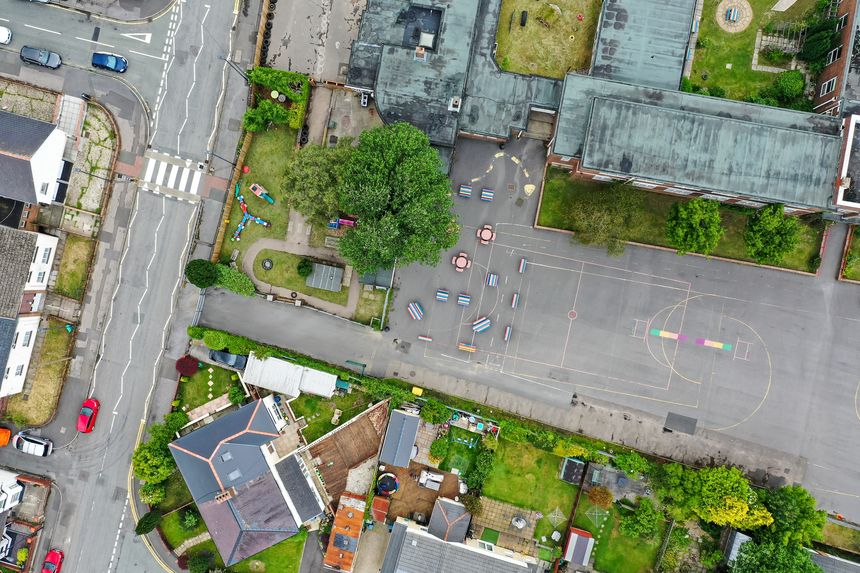
The impact on the education estate could be huge. Every secondary school is expected to have an “inclusion base” that bridges the gap between mainstream and specialist provision; a dedicated safe space away from busy classrooms. These could be additional spaces within the school building, or created through the refurbishment or repurposing of existing space. The Government will shortly be providing new guidance on converting existing space into effective areas for children with SEND, including breakout rooms, accessible changing facilities, outdoor learning spaces etc.
The white paper calls for all schools to be in trusts, the academisation process requiring property interests to be put in place and often involving issues such as shared use, community facilities, and playing fields. Best Start family hubs are being created, to revitalise and build on the work achieved by Sure Start children’s centres, providing a single point of access to healthcare services, advice on how to support learning at home, and stay-and-play services. It is likely that many of these hubs will be located within school sites, as was the case for a number of Sure Start centres.
The use of surplus space in the education estate to meet wider community needs, such as youth facilities, is seen as a key way of driving the embedding of educational sites in our local communities, allowing all to achieve and thrive. Schools designed to be inclusive, supporting an estate that is suitable to meet the need of children and young people with SEND, increase local capacity, and allow significantly more children to benefit from this provision, is a core goal of the white paper and the Education Estates Strategy.
In short, we can expect to see a lot of changes within the education estate over the next few years!
/Passle/68e62e2fbd3767c8f3cceb50/MediaLibrary/Images/2026-07-10-10-32-15-226-6a50ca2fcd7f5e16e539999e.png)
/Passle/MediaLibrary/Images/2025-11-10-14-45-08-280-6911fa742100bb49e79646b0.jpg)
/Passle/MediaLibrary/Images/2025-11-10-14-51-05-465-6911fbd9a319d5ea6f5baa38.jpg)